




BOOK A ROOM BOOK A TABLE
Close

The Language of Flowers: An Interview with Karin Jeffcoat

Surrounded by sprawling fig trees, pressed flowers, and trimmings from a current project, fine art florist and event stylist Karin Jeffcoat spoke with us about her passion for floral design. “I draw inspiration from nature,” she said. “Growing up in Europe, the styling is a little different than it is here. Everything is nature-bound.”

This early influence shines through in her working studio in downtown Aiken. Here, mushrooms hang delicately from a twisting, leaf-strewn branch; pottery and glassware fill every shelf; wreaths rest on mirrors and cabinets. While every placement is artful and intentional, it’s clear nothing is here for mere decoration—it’s all waiting to be used by Karin and the rest of her Côte Designs team.

“Côte Designs caters to weddings, events, corporate events. We do a little bit of everything,” Karin said. For every wedding, Karin works closely with the bride, conceptualizing the styling in accordance with a unique theme and seeing it through to the final installation. With a bandage on her finger from an installation the day before, Karin explained, “This is not very glamorous. There’s a lot of hard work.”

With a reputation formed from a lifetime of dedication to the craft, Karin is still as passionate as ever. Her precision and attention to detail are evident as she speaks of the years she spent building her business, and her creativity shines through in the imaginative, organic displays all around her studio.

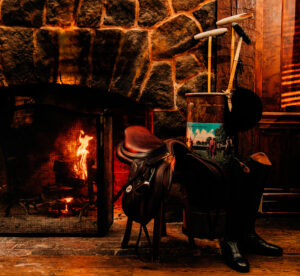
Autumn Reads by the Fire

You don’t need an excuse to curl up by the fire as the days get colder, but these titles will have you wrapping up in your warmest blanket and losing track of time as you explore new worlds, real and imaginary.


Don’t Tell Me You’re Afraid by Giuseppe Catozzella, Anne Milano Appel (Translator)Have our interviews with Dacre and Ellen rekindled the Olympic flame inside you? This true story tells the tale of a remarkable Somali girl as she risks her life on the migrant journey to Europe to run in the 2012 Olympic Games in London, in hope of a better future.


Piranesi by Susanna ClarkeThis short novel will bend your mind and leave you guessing right until the very last page. Summaries don’t do it justice, so dive in on a lazy Sunday afternoon and explore the “house” alongside the main character.


Mexican Gothic by Silvia Moreno-GarciaIf Piranesi leaves you with a desire for more stories of enigmatic houses, let Mexican Gothic draw you in to its countryside home of fading glamour, family secrets, and mysterious dreams.


I Heard There Was a Secret Chord: Music as Medicine by Daniel J. LevitinListening to the Aiken Symphony is more than just a fun night out on the town. In this book, neuroscientist, composer, musician, and author Levitin compiles numerous studies on music and the brain, demonstrating how music can have profound benefits for those both young and old.


We Are What We Eat: A Slow Food Manifesto by Alice WatersWritten by the famed chef, author, food activist, and the founder and owner of Chez Panisse Restaurant, this book urges us to take up the mantle of slow food culture, which champions values such as biodiversity, seasonality, stewardship, and pleasure in work. All it takes is a taste.

Dry Brushing: A Cleansing Experience

A holistic ritual for purifying and exfoliating the skin, dry brushing is a long-held practice that provides both health and beauty benefits. First developed hundreds of years ago in India, dry brushing may improve your body’s detoxification process while smoothing and polishing your skin. The bristles, made from natural fibers, gently scrape away dead skin, dirt, and other impurities that clog pores. This may better allow you to filter toxins organically.

Beyond natural exfoliation and detoxification, dry brushing is a sensory experience, akin to a massage, that even improves circulation. This act of self care, especially when integrated into a daily routine, can serve as a soothing, tranquil moment for meditation.

Before your shower, brush along your feet and ankles before sweeping the brush up your legs in sweeping motions. When you reach your torso, transition into rounded movements with your brush before moving to your arms. Step into a shower to wash away the exfoliated impurities, then apply moisturizer when complete.

A simple method with lasting effects, dry brushing is a rich experience where you can bring the luxury of a spa into your very own home.

Dry brushes and brushing instructions are available at The Willcox Salon & Spa.

The Beginnings of Afternoon Tea

In the middle of the nineteenth century, members of the British aristocracy began eating dinner around eight or nine o’clock in the evening. The introduction of artificial lighting meant they could socialize after the sun went down, though several hours now stretched between their mealtimes.

Because of this change, Anna Maria Russell, the seventh Duchess of Bedford and lady-in-waiting to Queen Victoria, began snacking on buttered bread, cakes, and tea so she wouldn’t grow hungry in between meals.

This practice quickly spread amongst her friends, becoming a key element of London’s social calendar. Women regularly dressed for the occasion and hosted tea gatherings within their own homes. Over the years, afternoon tea has become an even more cherished reason to gather between meals and enjoy the company of one’s family and friends.

Today, countless hotels around the world host guests in the afternoon for tea and an assortment of refreshments. The Willcox is pleased to continue this tradition by offering an afternoon tea service of our very own starting this October! Every day between three and five o’clock, visitors can catch up with friends over tea sandwiches, freshly baked scones, and flavorful desserts alongside a hot cup of tea in our lobby. Call 803.679.5050 to reserve your afternoon tea service, and enjoy taking part in this custom of connection and conversation.

A New Season for the Aiken Symphony Orchestra

For the past decade, the Aiken Symphony has created a home in this city for breathtaking classical performances and vivid musical talent. Founded by Thomas and Sally Hofstetter, David Allen, Doris Begley, Sandy Costanzo, David Tavernier and Beverley Zigelman, the symphony debuted its first concert in September of 2015—and it hasn’t stopped evolving since.

The symphony has welcomed new musicians and a new conductor over the years, expanding the group’s repertoire, skills, and annual performances. “We now present an annual subscription series that includes four masterworks, two chamber and two pops concerts,” Music Director & Conductor Scott Weiss said.

With performances of Bach, Beethoven, Berlioz, and many other well-known composers, Weiss says this tenth anniversary season will be “practically a Greatest Hits of classical music.” Pianist Ying Li, who gave a striking performance with the symphony last season, will be playing with the symphony once again in January for a concert exclusively featuring Mozart compositions.

Weiss is excited for this next season, as well as for the many years he will spend leading and growing the symphony. “Enriching the cultural life of Aiken and its residents through all we do is probably the most rewarding part of my work with the Aiken Symphony,” Weiss said. “I’m not going to lie, though… standing in front of these professional musicians and THAT SOUND is an indescribable feeling!”

Annual subscriptions and individual concert tickets are available at the Aiken Symphony’s website.

Sommelier Matt’s Spring Wine Corner

This summer, The Willcox’s resident sommelier, Matt Sayer, recommends our readers sample the 2022 Delta Chardonnay. Made with grapes grown on the California coast between Mendocino and Lodi, this white wine is both refreshing and sustainable. Notes of yellow apple, vanilla, and tangerine come through in its crisp, bright taste. Those who want to try the winewith dinner on a warm summer evening should pair it with a shrimp linguine or a mushroom risotto for outstanding flavor.

Find Your Next Favorite Read

Summer is the perfect time to curl up with a good book. Whether you’re cracking open a beach read while on vacation or reading a little bit each night, we have suggestions for your next favorite!

Why Women Grow: Stories of Soil, Sisterhood and Survival by Alice Vincent

Does our interview with Gail King leave you inspired to cultivate your own garden and also learn more about other inspiring gardeners? Vincent’s book explores what inspires women to plant and nurture seeds while also shouldering a myriad of other responsibilities, with beautiful anecdotes from gardeners across the UK.

Paradise of the Damned: The True Story of an Obsessive Quest for El Dorado, the Legendary City of Gold by Keith Thomson

With a description like “The transporting account of an obsessive quest to find El Dorado, set against the backdrop of Elizabethan political intrigue and a competition with Spanish conquistadors for the legendary city’s treasure”, it’s hard to believe that this is a true story!

Prodigal Summer by Barbara Kingsolver

Nature enthusiasts will enjoy these characters on their journey of love and connection, set in Southern Appalachia over the course of one humid summer.

Your Brain on Art: How the Arts Transform Us by Susan Magsamen and Ivy Ross

Did you know that some doctors prescribe museum visits to address loneliness, dementia, and many other physical and mental health concerns? Your Brain on Art explores this new understanding about how the arts and aesthetics can help us transform traditional medicine and build healthier communities.

Welcome to the Hyunam-Dong Bookshop by Hwang Bo-Reum and Shanna Tan (Translator)

A smash-hit in Korea, this book follows a burned-out woman as she finds her new story after leaving her life behind and opening a bookshop, transforming it into an inviting space for lost souls to rest, heal, and remember that it’s never too late to scrap the plot and start again.

Summer Sangrias

like apples, oranges, and cinnamon, sangria has long been a favorite for summer sipping. While red wine is the traditional base of this versatile drink, it can easily be swapped out for white. Apples can be switched to pears, limes, and strawberries—whatever is in season. Similarly, the history of sangria is not set in stone.

Some believe it originated with the ancient Romans, who could not safely consume their water and wanted to dilute the strong alcohol content in their wine. Some believe British sailors working at an alcohol-free port added the ingredients to their wine, hiding it from anyone who might suspect what they were truly drinking. The strongest and most relevant connection, however, is with Spain and Portugal, where the name sangria originated. From there, the beverage spread around the world, officially debuting in the United States during the New York World’s Fair in 1964.

Arrowheads and Pottery Shards in Aiken County

Buried in layers of soil, archeological remnants of daily life can be found all over South Carolina. Sometimes these items may be familiar to us, buttons or pins from the 1800s that don’t look far from what we use today. But others, such as arrowheads and broken pieces of pottery, can be evidence of indigenous communities from thousands of years ago. Because such communities predate the written word, these artifacts can help paint a picture of civilizations’ histories in Hitchcock Woods, the city of Aiken, and other areas of South Carolina.

Sean Taylor, Senior Archaeologist at the SCDNR Heritage Trust Program, says an arrowhead’s shape helps archeologists identify when a community lived in a given area. For example, clovis point arrowheads — which do not have a stem — were used about 12,000 years ago, while stemmed arrowheads were used about 5,000 years ago. “Native Americans have been in the Aiken area for at least 12,000 years and maybe longer,” Sean says.

There is still much to be learned through analysis of artifacts found in the state, which can offer fascinating insights into humanity’s past. For more on the work Sean and his team of archeologists do, go to the South Carolina Heritage Trust website.

The Return of the Red-Cockaded Woodpecker to Hitchcock Woods

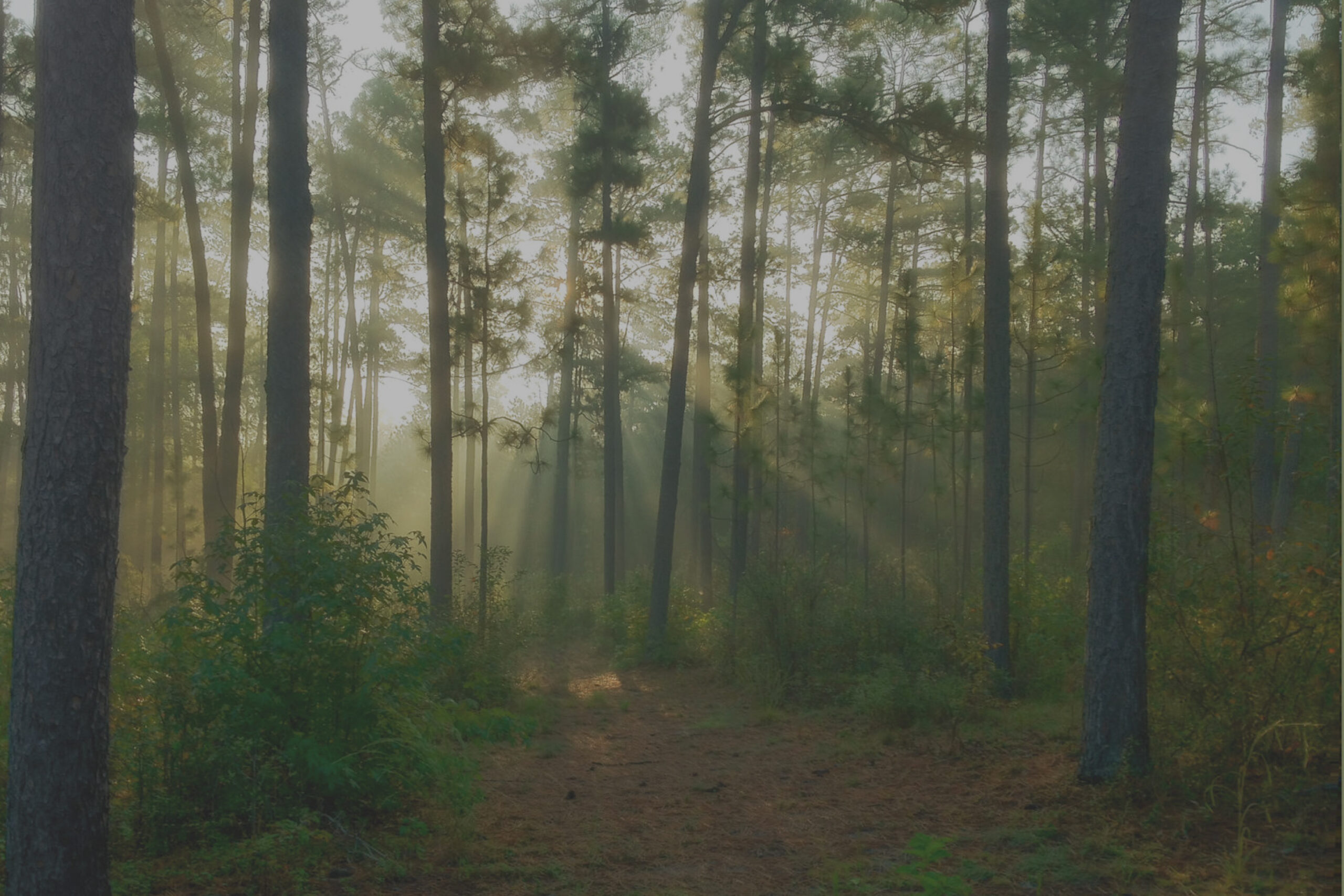
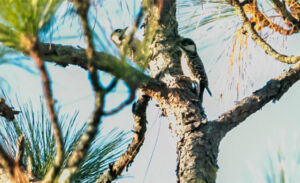
Walking through Hitchcock Woods, it’s easy to spot dried sap trailing down the bark of a longleaf pine, evidence of a red-cockaded woodpecker creating its home within the tree. A striking but small bird, its feathers form an intricate pattern of black and white—interrupted only by a wisp of red present on the male’s head.

As a keystone species for the longleaf pine ecosystem, their presence helps other animals thrive as well. The red-cockaded woodpecker creates a cavity in a longleaf pine that will serve as its home. According to Hitchcock Woods Superintendent Bennett Tucker, once the bird no longer lives there, the relic cavity tree can serve as a habitat for any number of woodland creatures,such as flying squirrels and bluebirds.


While the red-cockaded woodpecker is now flourishing, creating new clusters and even venturing beyond the Hitchcock Woods’ 2100 acres into the Aiken community, that wasn’t always the case.

During the Reconstruction era and into the twentieth century, much of the southeast’s vast longleaf pine ecosystems were destroyed for timber — used as exports and to rebuild after the Civil War. Aiken’s Hitchcock Woods remained, however, and the local population of red-cockaded woodpeckers lasted until the 1970s. Then, because prescribed fires were no longer being used to manage the underbrush, the environment was inhospitable to the endangered red-cockaded woodpecker.

For decades, Hitchcock Woods went without this keystone species. But through the Foundation’s preservation efforts and strategic initiatives, including the reintroduction of prescribed fire, the Woods have now been restored to their former glory.

“We wanted to bring the species back. And we had done a lot of management to take care of Hitchcock Woods to kind of turn back the hands of time to create more of this open landscape behind me,” Bennett explained, standing underneath the longleaf pines. “Through prescribed burning and carefully thought out ecologically and sustainable forestry, we conducted thinning operations to open up the understory and the mid-story.”

Now, it was just about getting the red-cockaded woodpecker to return — and, even more crucially, to stay. Coordinating with the South Carolina Department of Natural Resources, the Longleaf Alliance, and other partners, the Foundation released ten red-cockaded woodpeckers into the Hitchcock Woods in 2016. Many members of Aiken’s community showed up to see the birds come home for the first time in decades.

Of the initial ten birds, seven chose to remain in the Woods, settling into the man-made inserts the Foundation built into several longleaf pines before branching out and once more building their own homes. Another ten were released the following year, with more added to the ecosystem after that.

“They’re doing really well,” Bennett said. “We’re about eight years into it, and we’ve got a very healthy population back in Hitchcock Woods.”

Much as Hitchcock Woods once more became a sustainable home for this beloved species, the red-cockaded woodpecker has proven its resiliency — creating new homes for their families and shaping the landscape for generations to come.

Click here to learn more about Hitchcock Woods and their initiatives.

FOLLOW US ON INSTAGRAM